Claudiu Stefan

Claudiu Stefan
Señor
Designer

Approach

Index

ARHIV × Fabrik Store (RO)

Structural System & Commercial Application

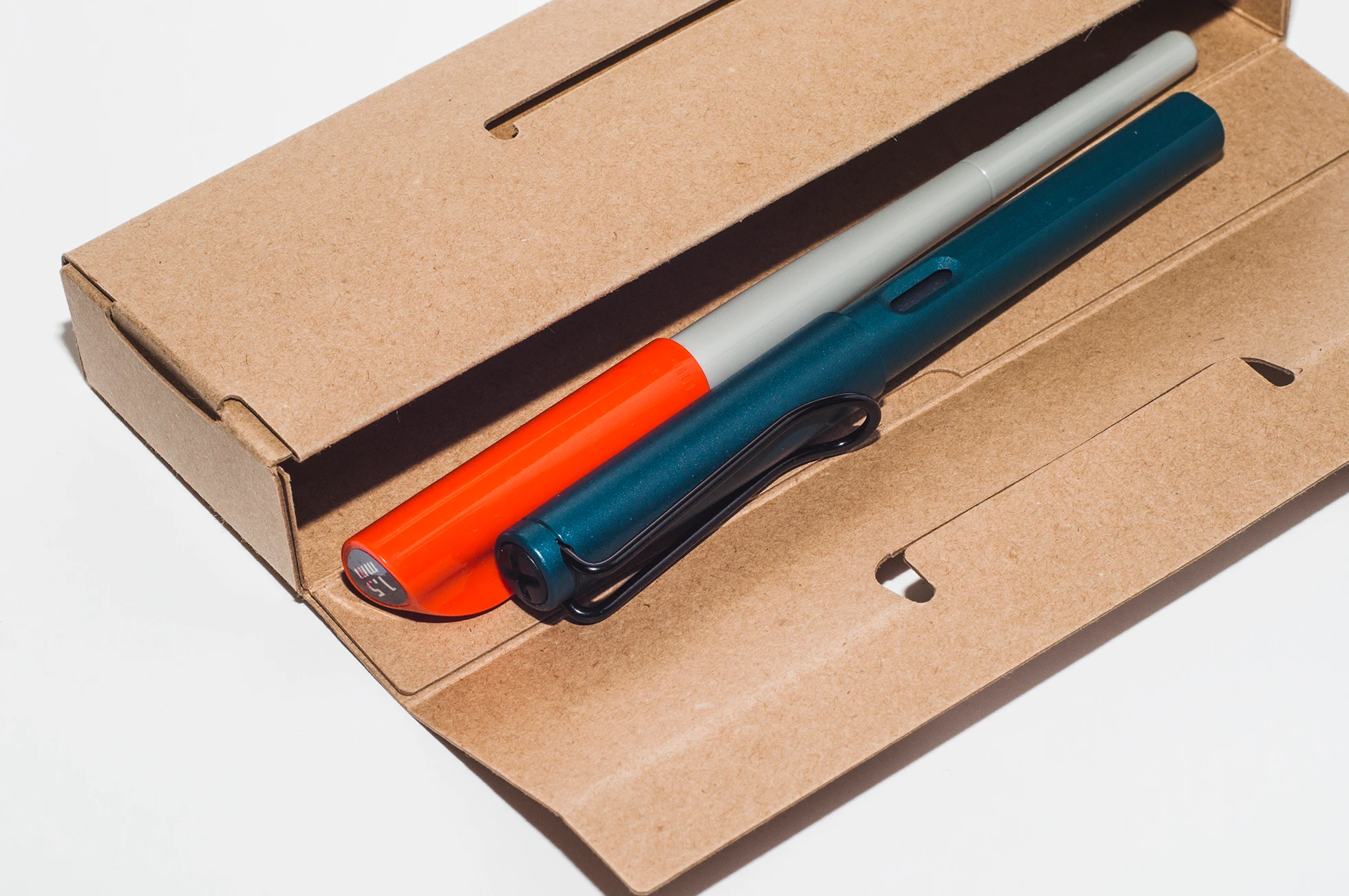
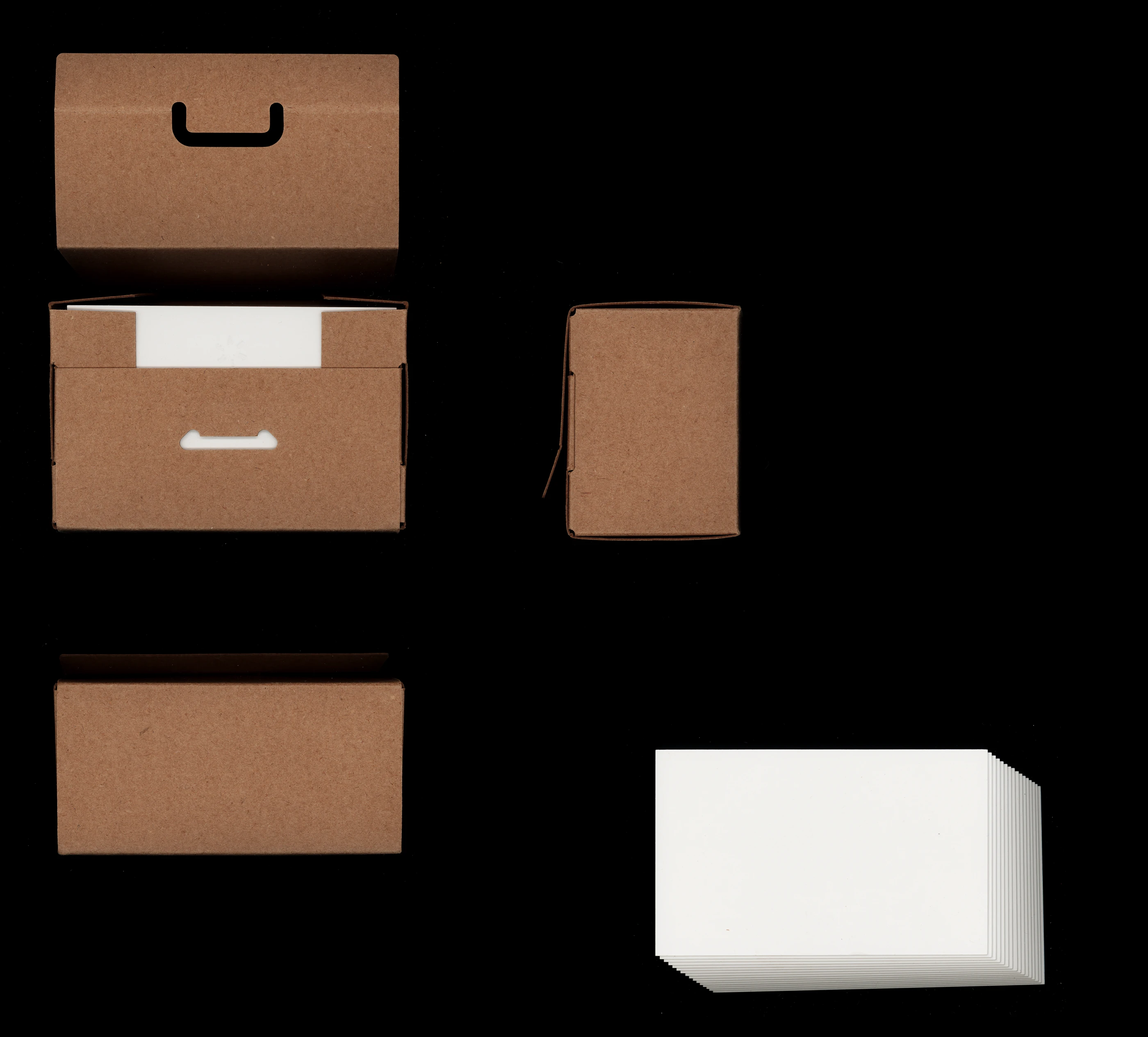
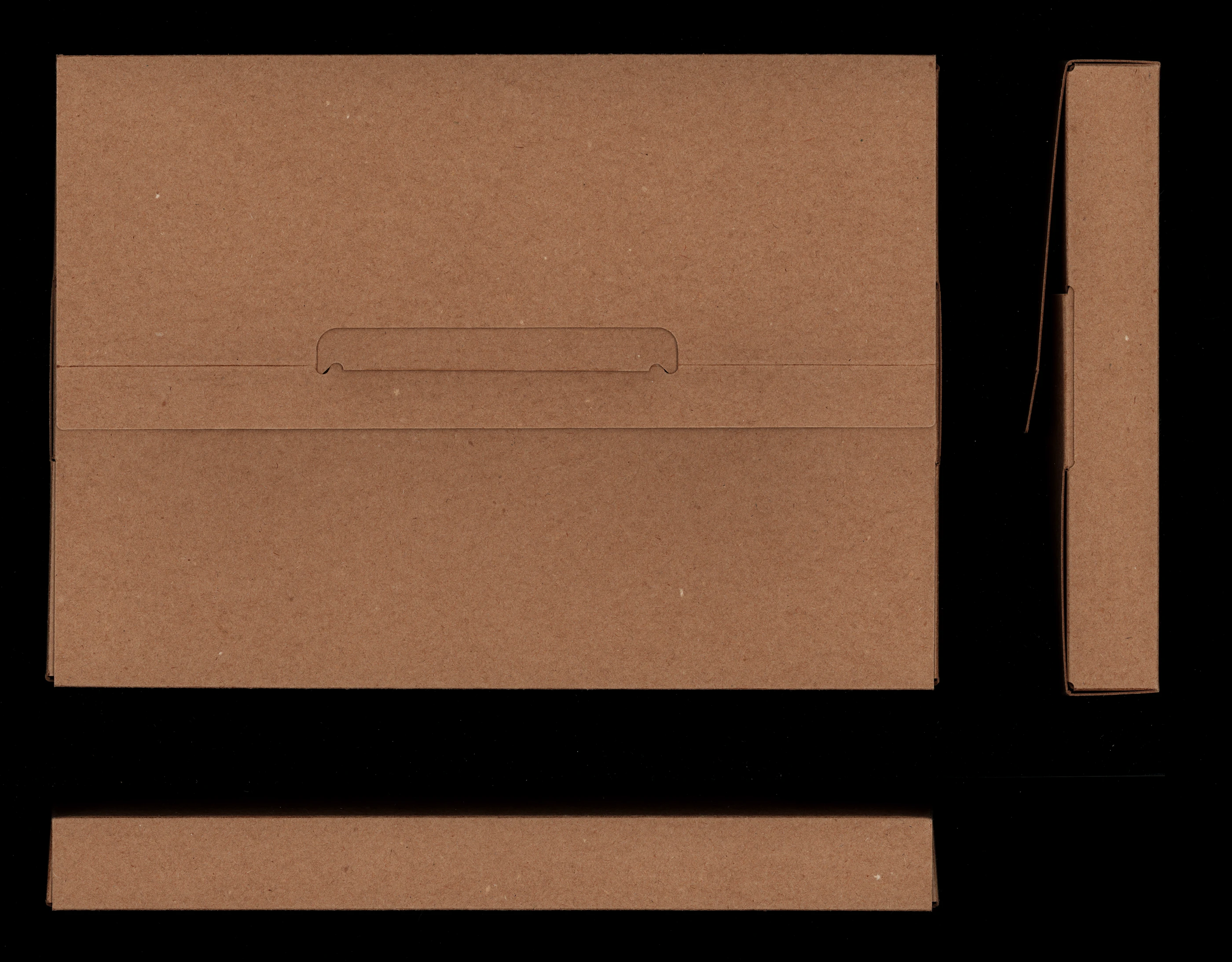

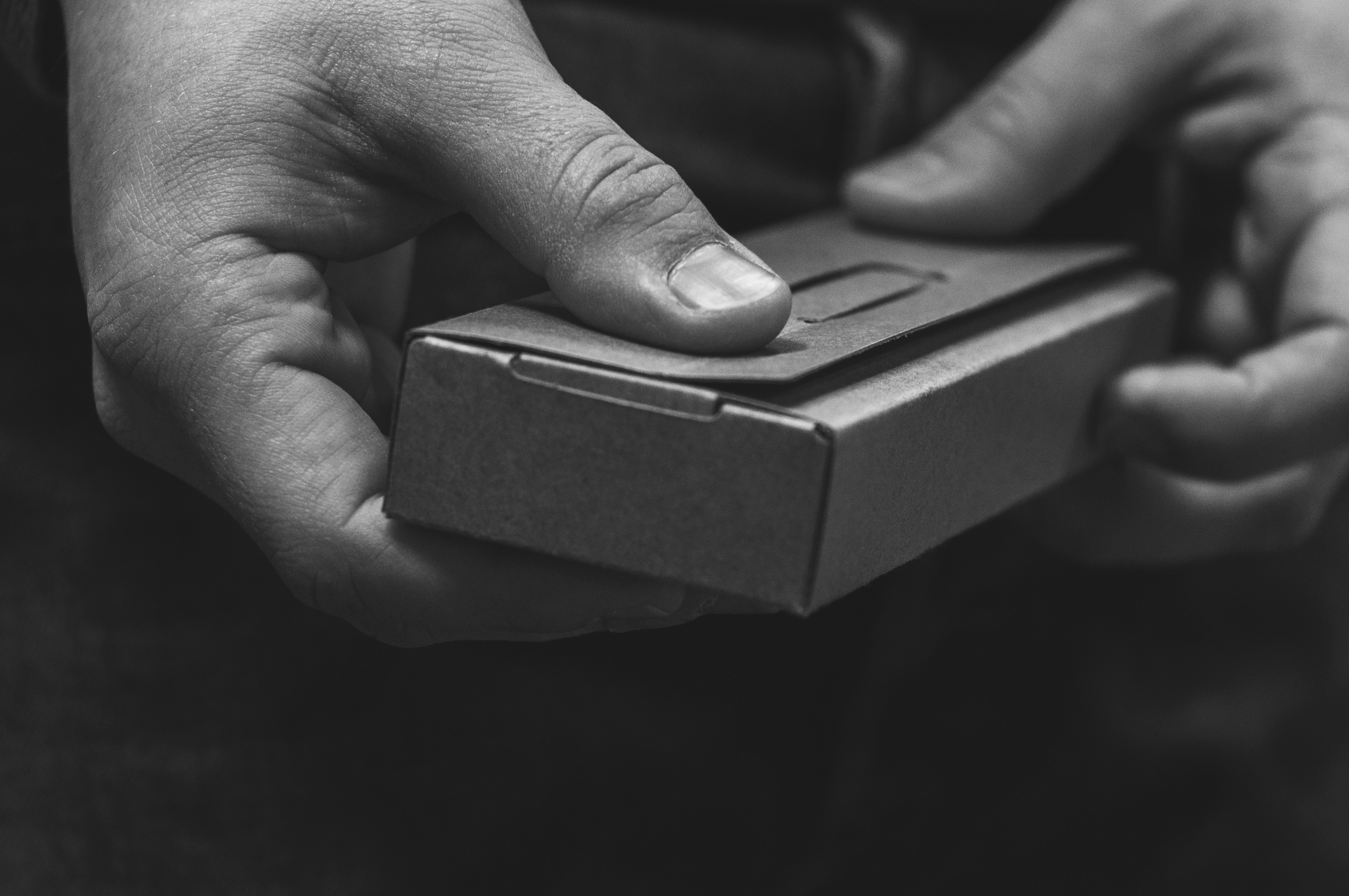
The ARHIV project began as a pure exercise in paper engineering and evolved into a commercial product line for Fabrik Store (RO). The definitive breakthrough of this system is a minimalist, glue-less pen case engineered to achieve the rigidity, quality, and sturdiness of a durable object you can simply “drop in your bag”.

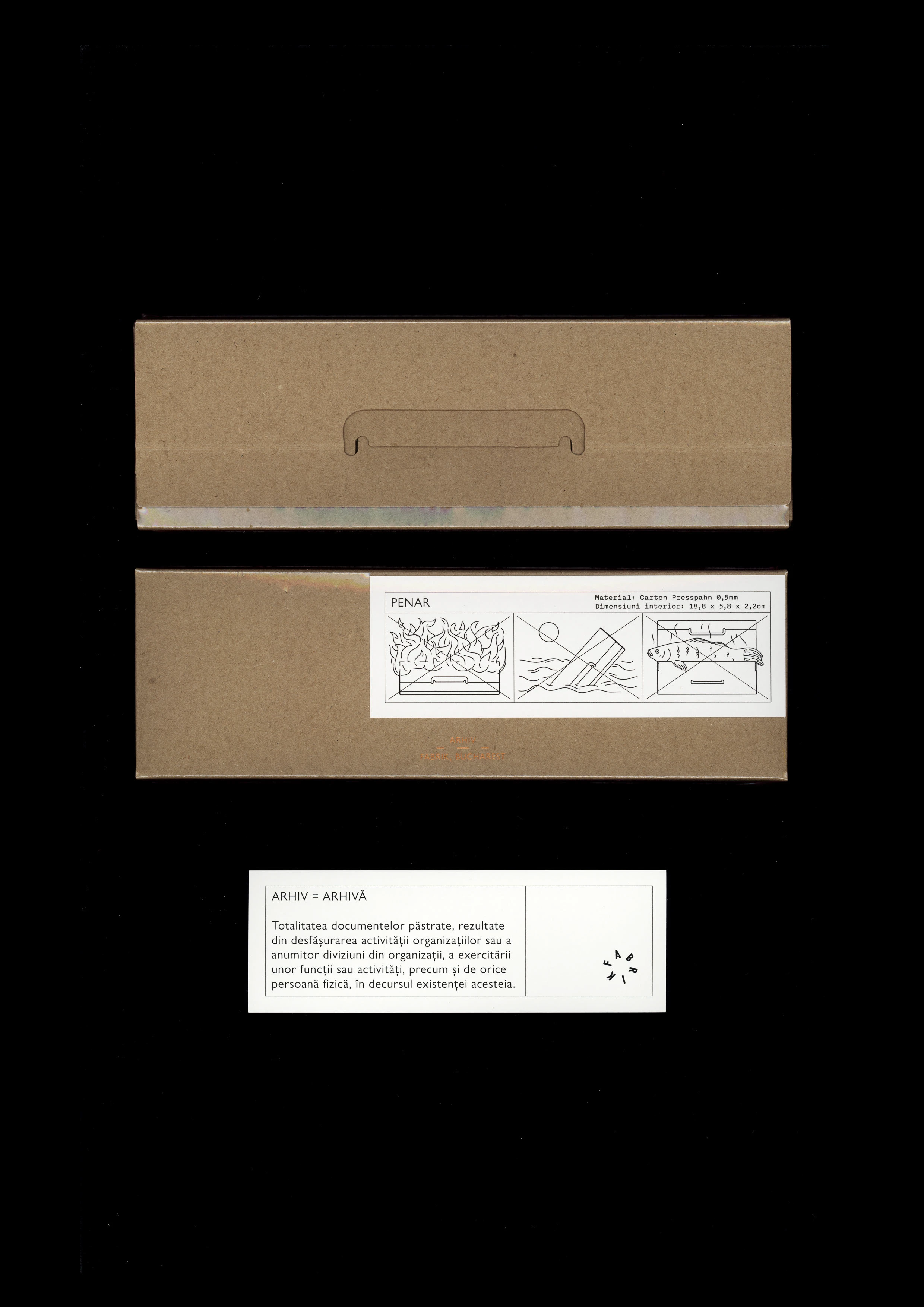
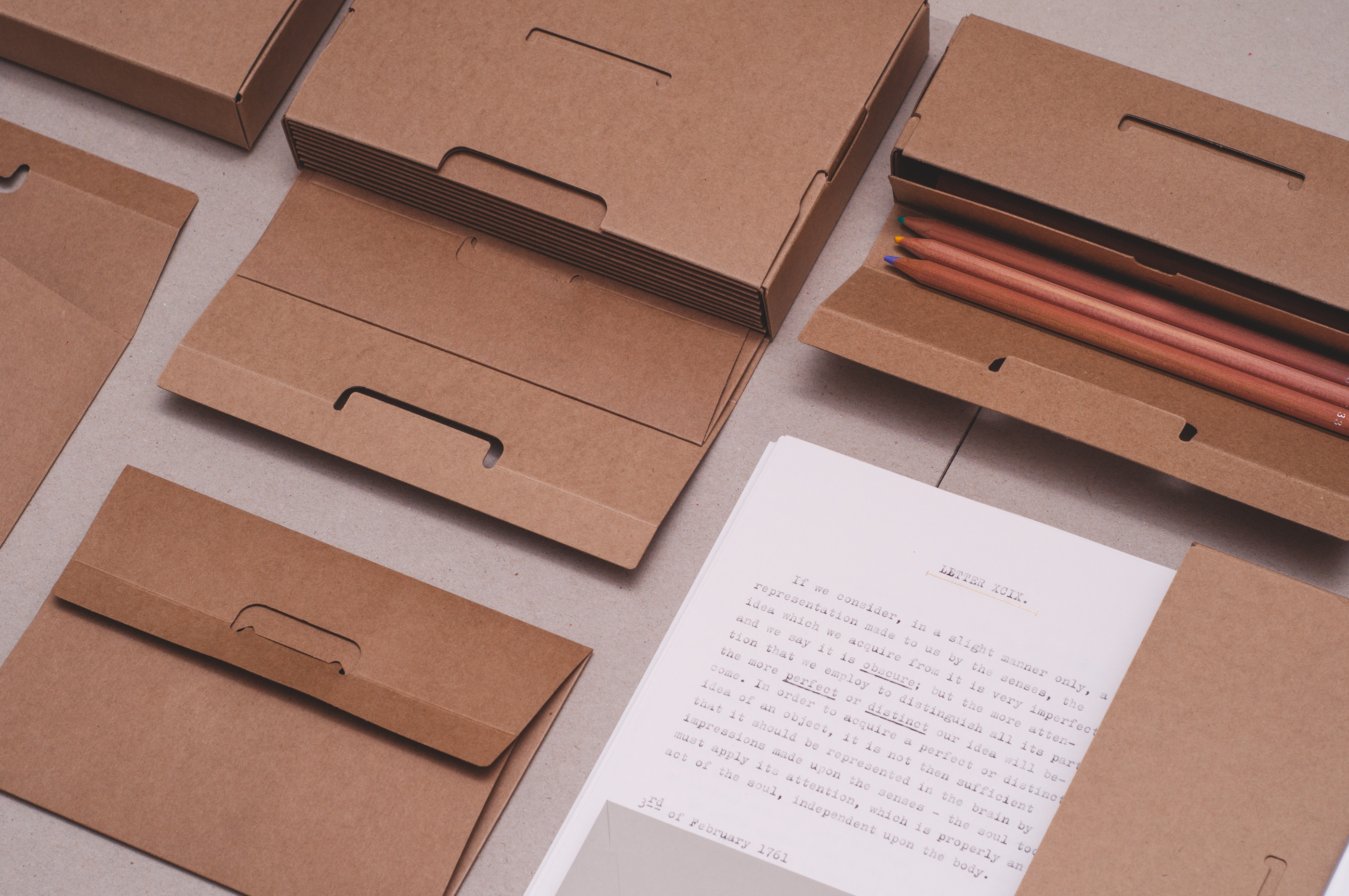
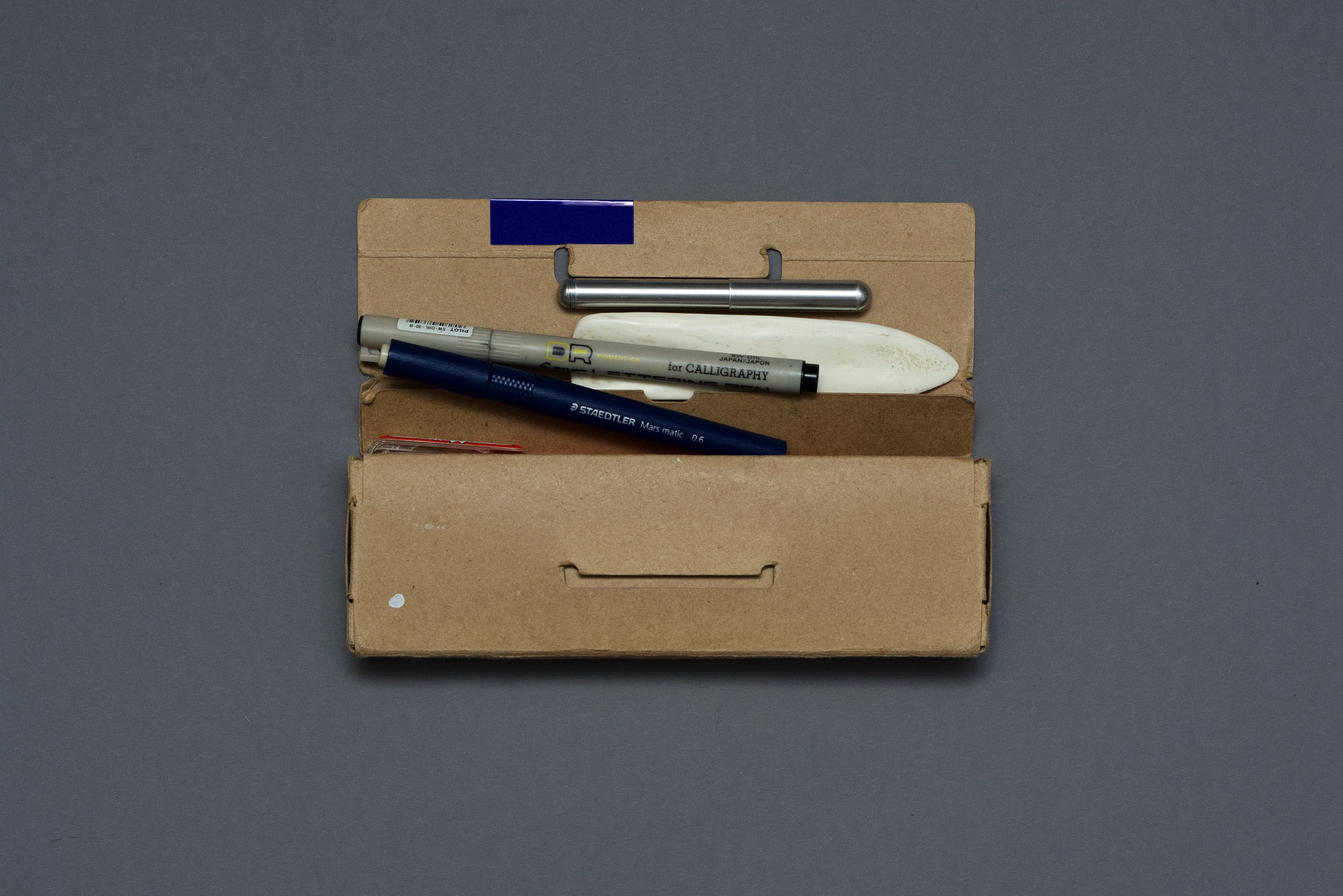
With interior dimensions of 5.8 x 18.8 x 2.2 cm, it matches most pen sizes, from standard ballpoints and fountain pens to larger calligraphy instruments like the Pilot Parallel Pen. It easily accommodates other tools necessary for a daily craft routine: erasers, bone folders, and compact sharpeners.

Scope of Work: 
Structural paper engineering and die-cut systems;
Product design (naming, material choice, testing, artwork);
Product photography.

Timeline: 
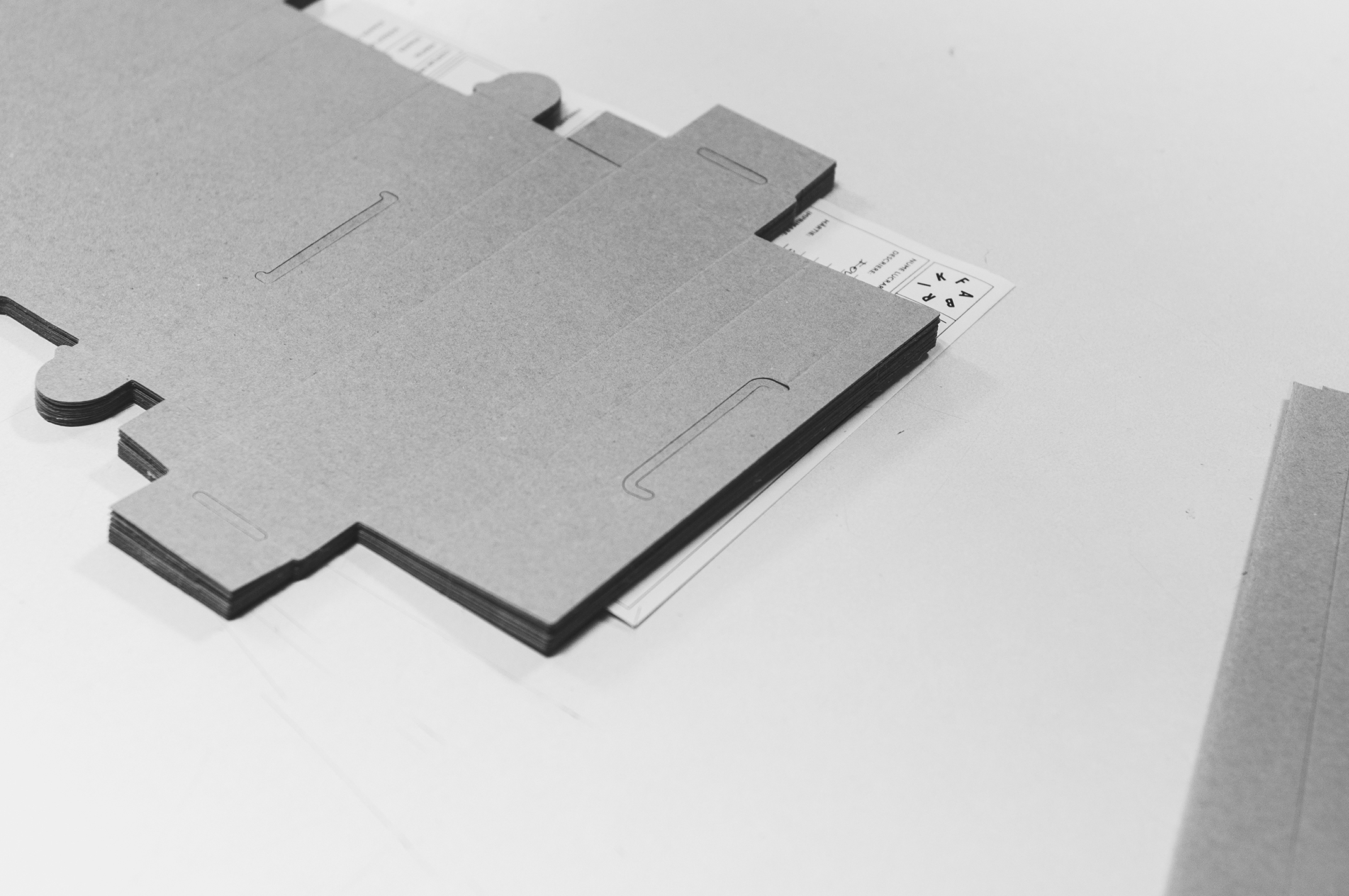
The pen case was a three-week project. Production lasted about a week for the initial run of 200 pieces, during which I handled the photography and began sketching the remaining objects. Developing the whole system required an additional two weeks on top of that initial period. Every mockup was made by hand, utilizing a CNC machine for the paper cutting.

The project was part of Romanian Design Week 2018 main exhibition.

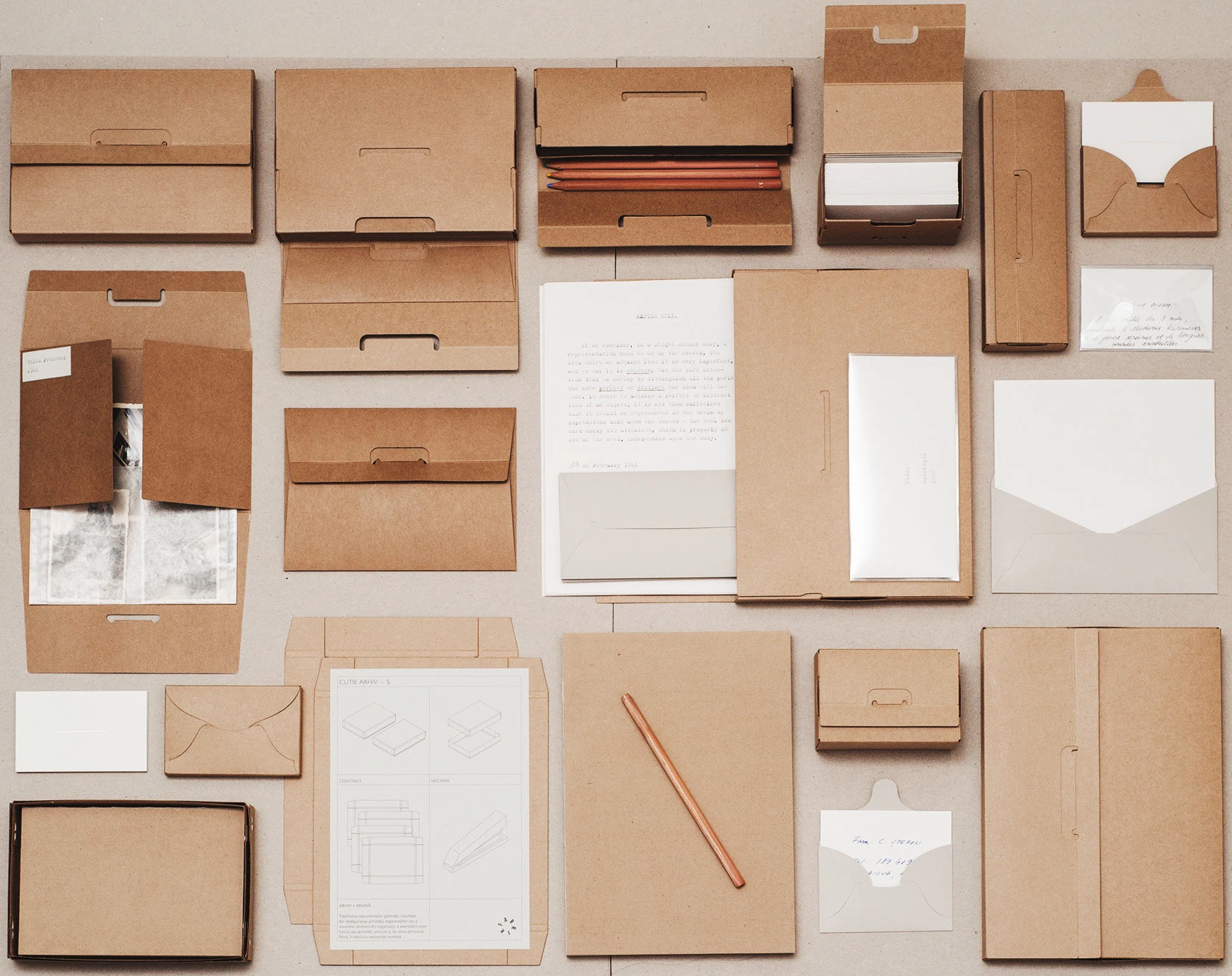
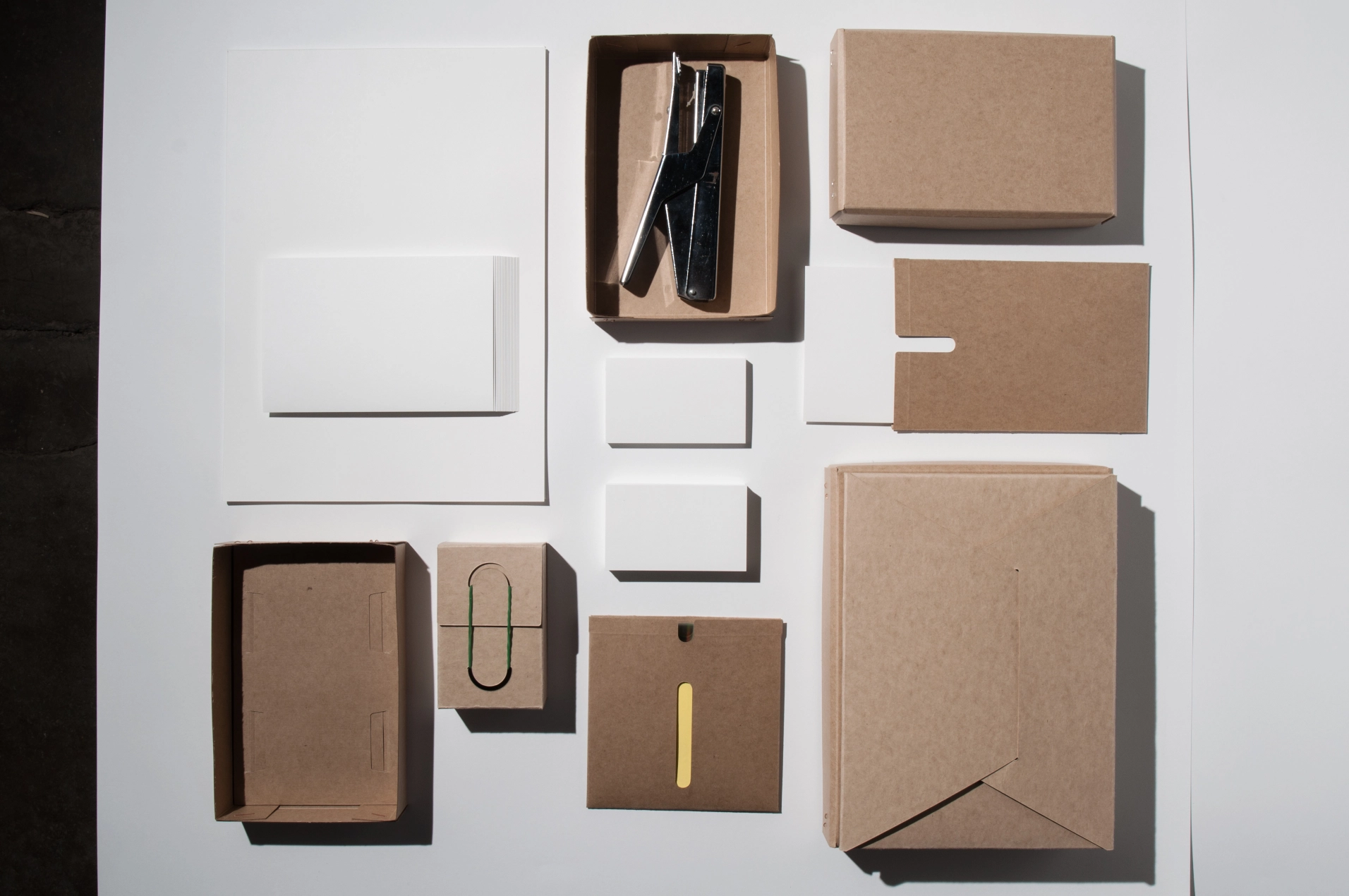
The day we realized this could be a commercial product, my mind immediately started expanding the idea. The base structure and the pen case (our first real candidate) were designed in a few days. But I kept thinking: Why stop there? Why can’t this be a product range? Over the next two weeks, a simple pen case evolved into a complete collection of paper products.

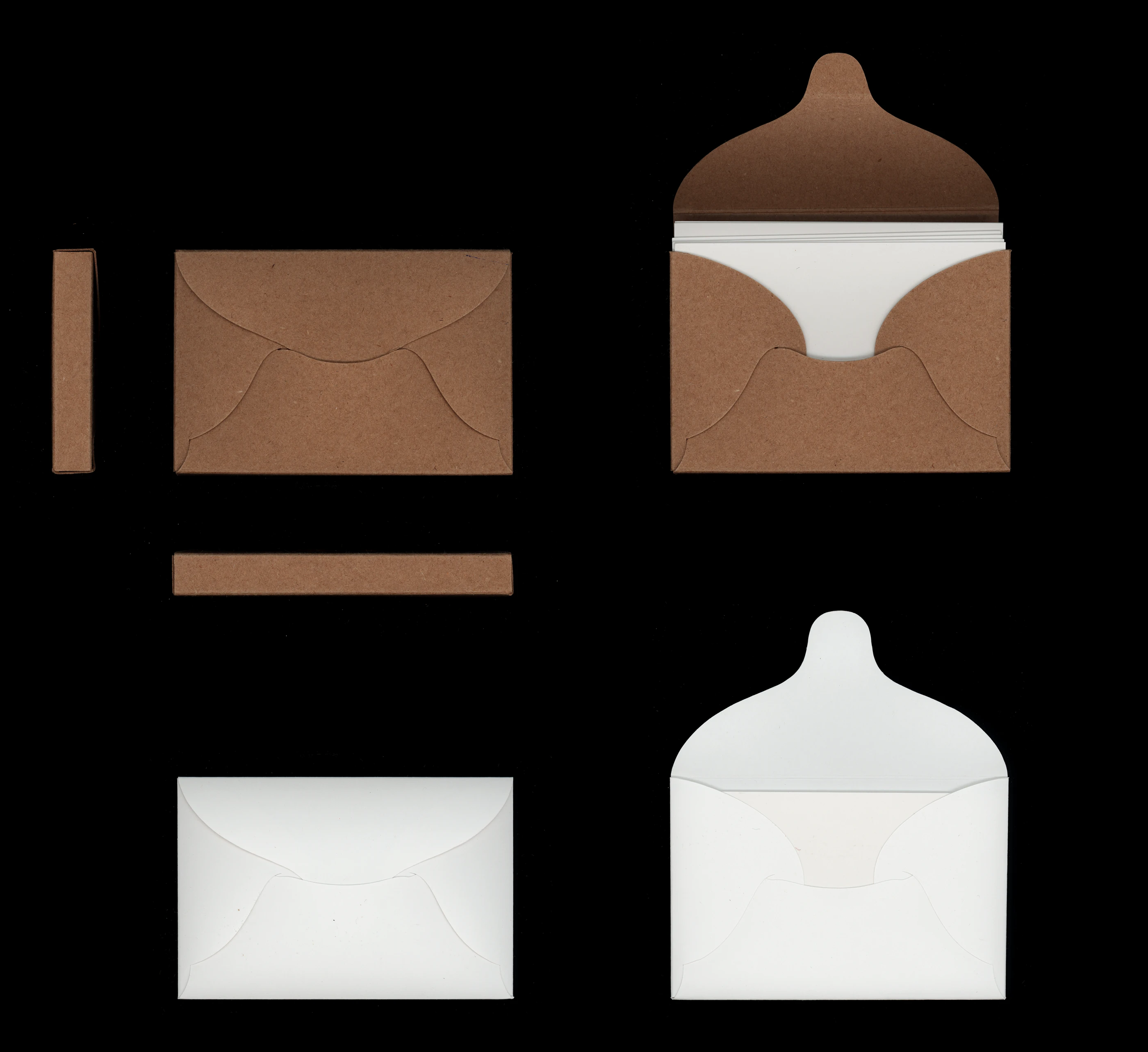
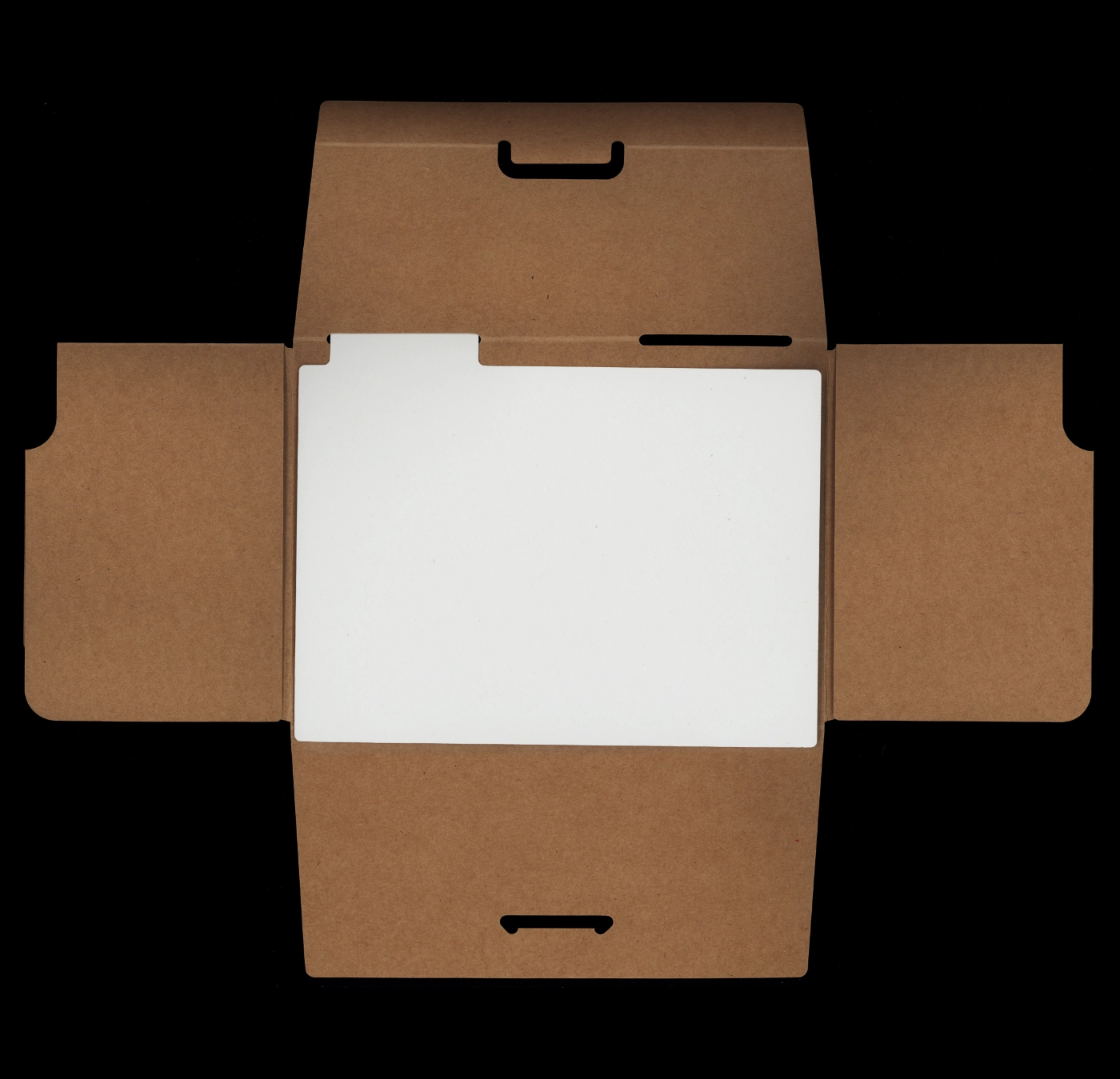
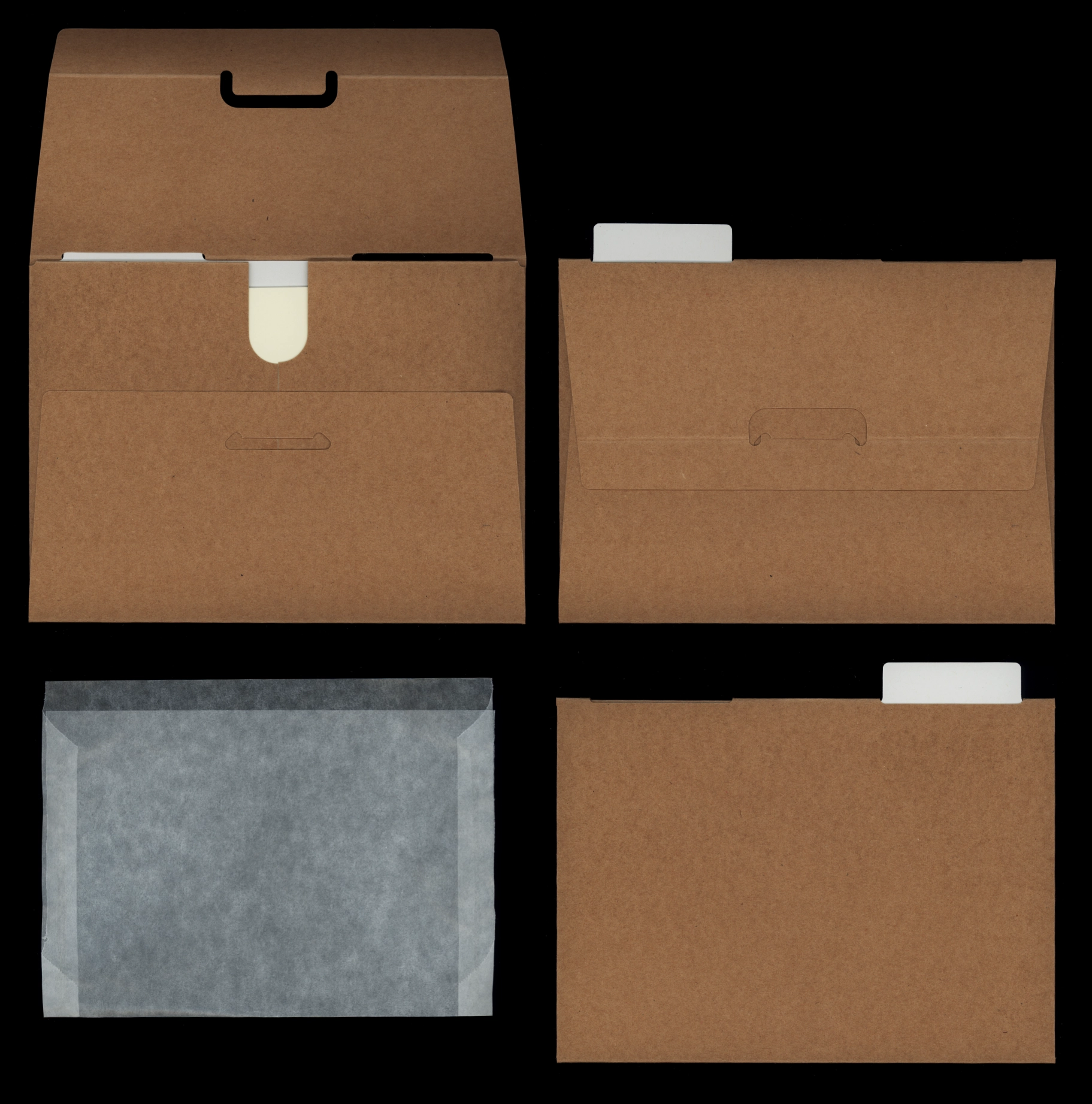
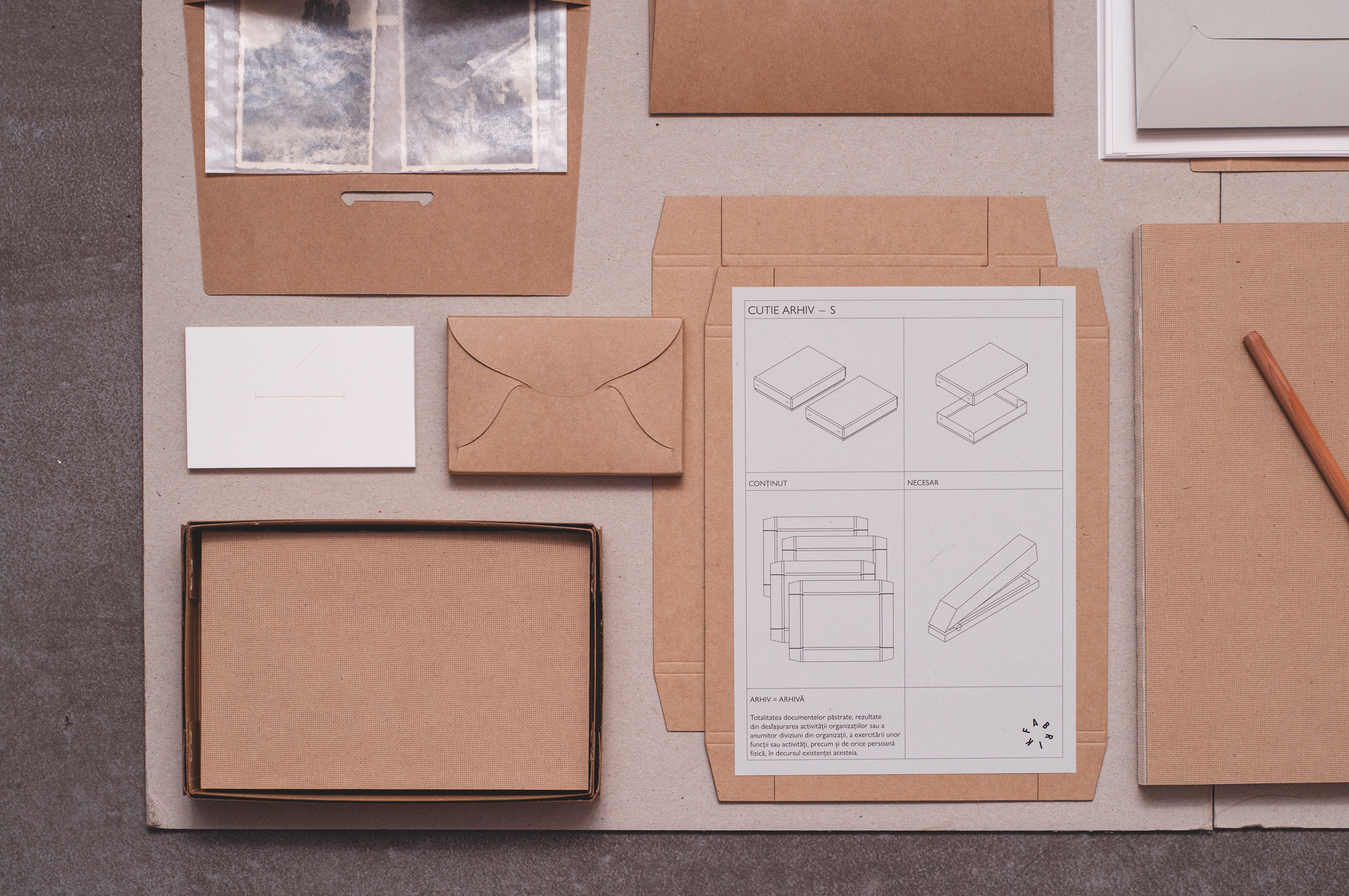
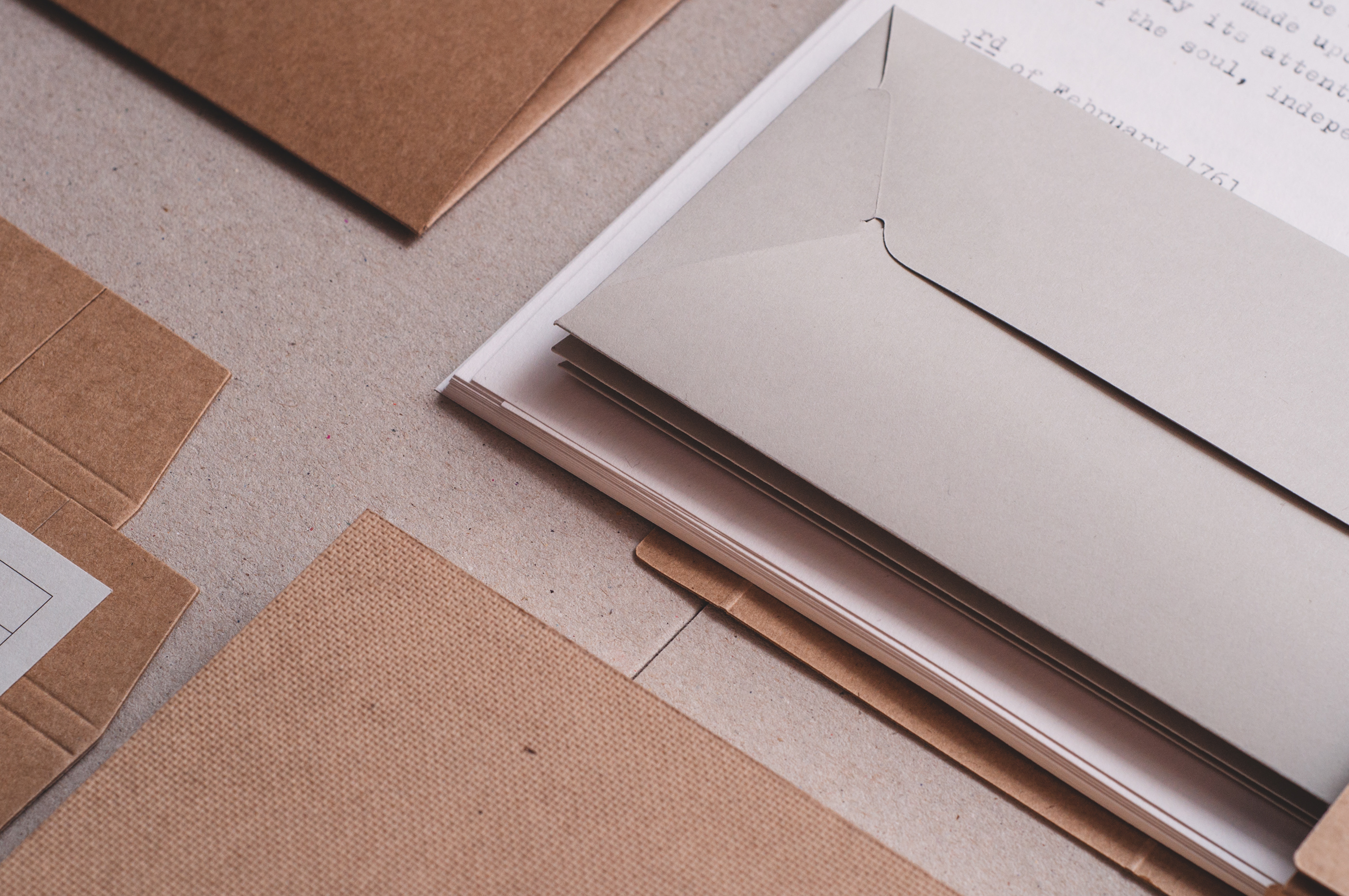
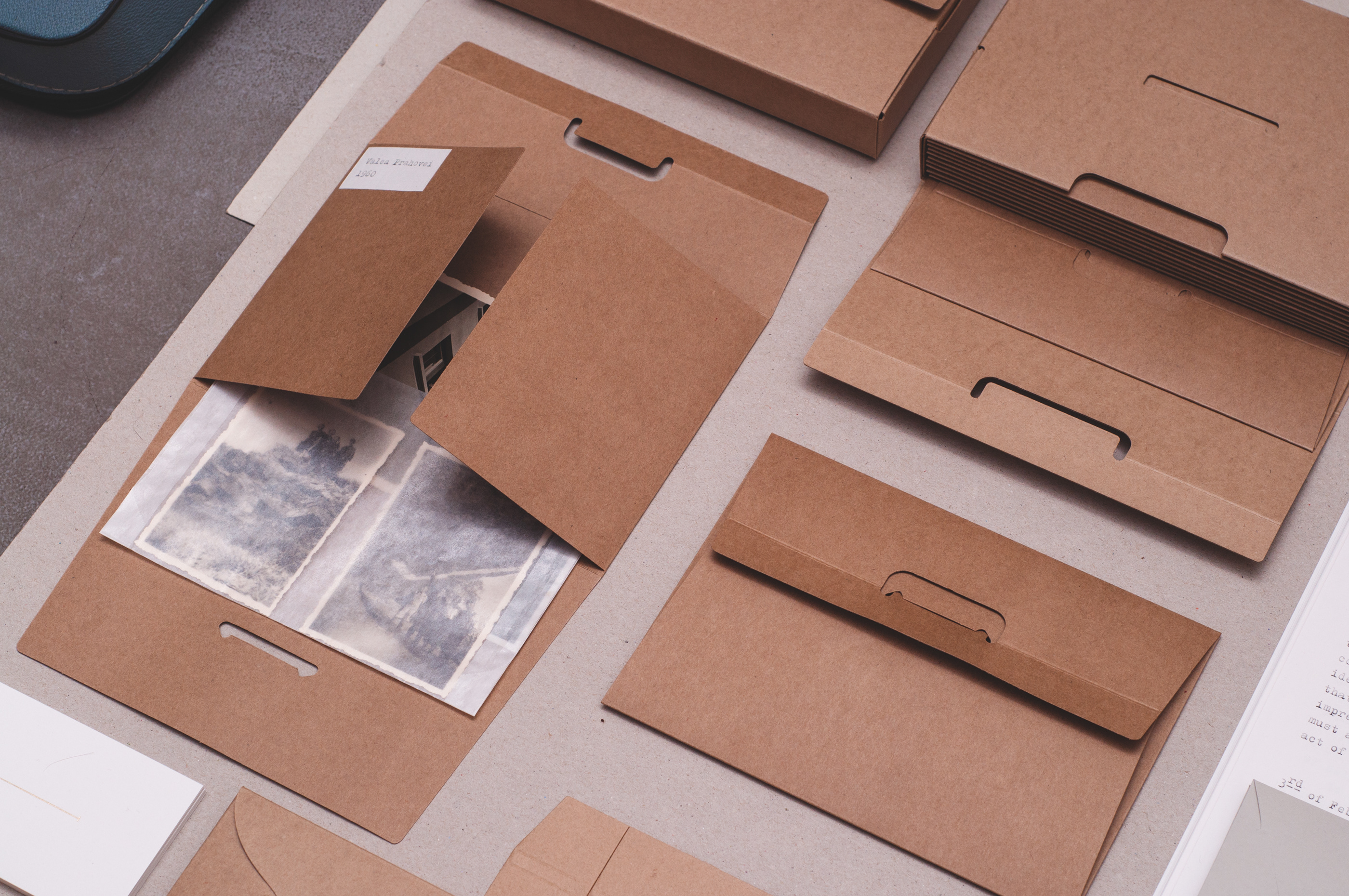
Envelopes, sleeves, and boxes all emerged from that exact same system of interlocking, forming, and closing.

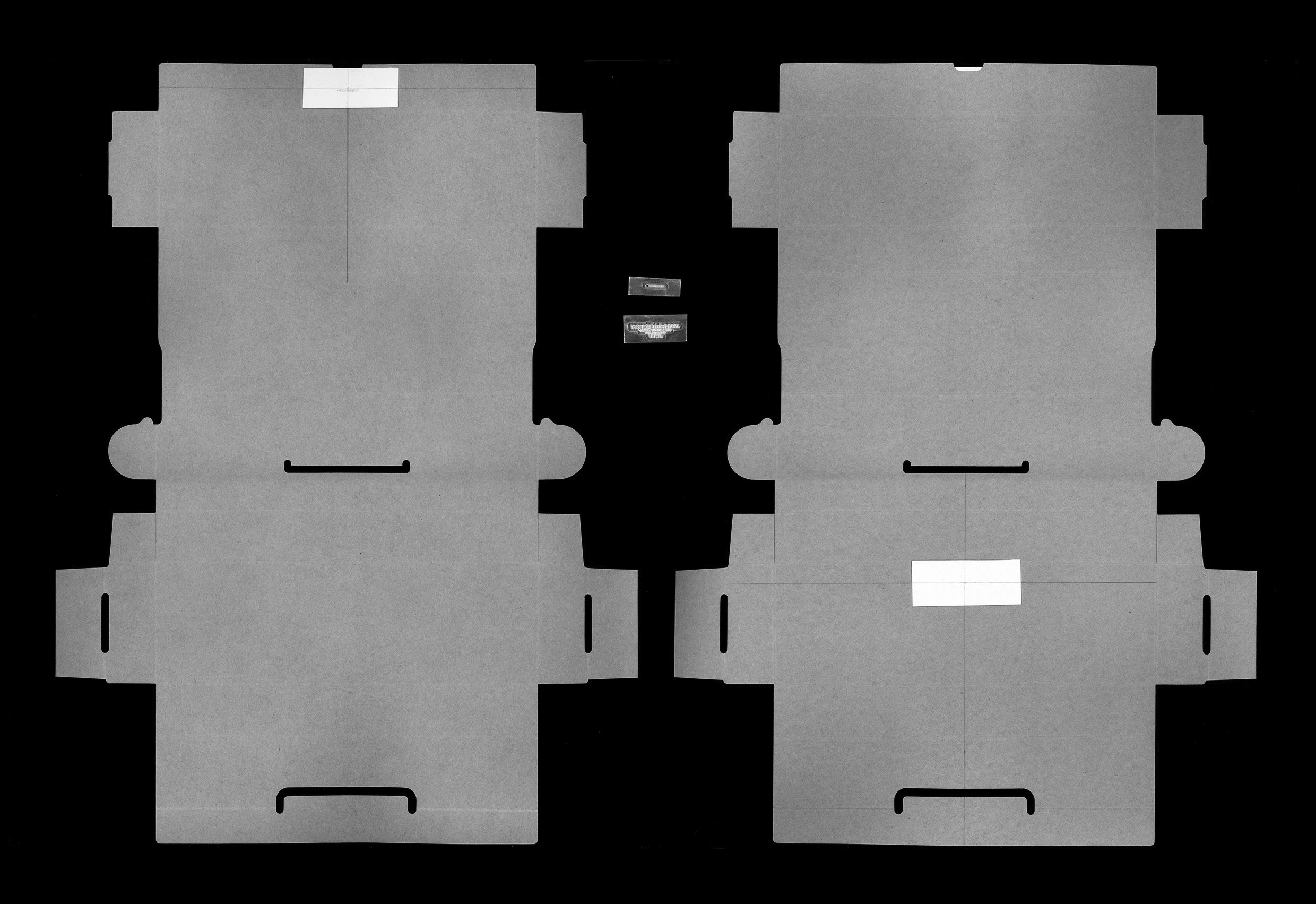
Every object in the collection is derived from a singular, proprietary die-cut template engineered to adapt across different formats.

The entire system relies on a heavy-duty, 0.5 mm brown Presspahn cardboard, selected for its dense composition and high strength. By eliminating adhesives entirely, the structural integrity of each object depends solely on geometric structure and neat locking mechanisms, creating resilient paper products designed to withstand repeated long-term use.

From Blueprint to Press and beyond

A look into the material testing, prototyping, and finally the production that made ARHIV and the system behind it possible.

By pure observation, the initial concept (shown above) was not that far from the final result, but it was different in every way. The early iterations failed basic utility tests:

The half-circle closure: Lacked tension between the body and the lid, leaving gaps that allowed pens to slide out into a bag.

The button-and-string closure:
Tactile and secure, but the constant winding and unwinding frustrated users and tore the paper over time. It was a mechanism for archival storage, not daily carry.

The single hinge and slit:
By adding “tension breakers”, the wear could be distributed evenly, but still left some gaps through which objects could “escape into one’s bag”.

To solve these problems, I decided to double the thickness of the walls by adding another layer of material.
This increased production costs, but the added value justified the expense by solving three problems at once.

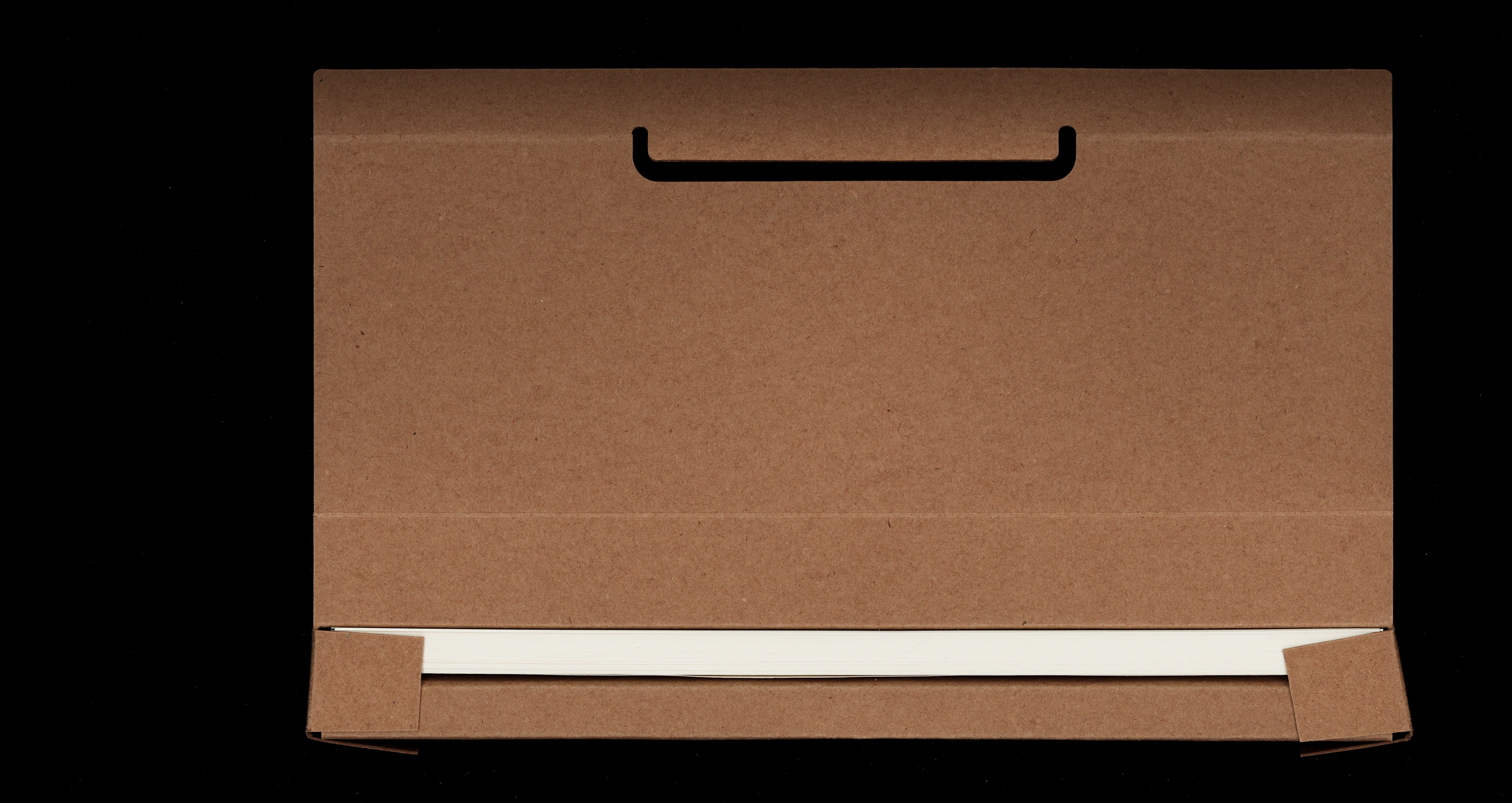
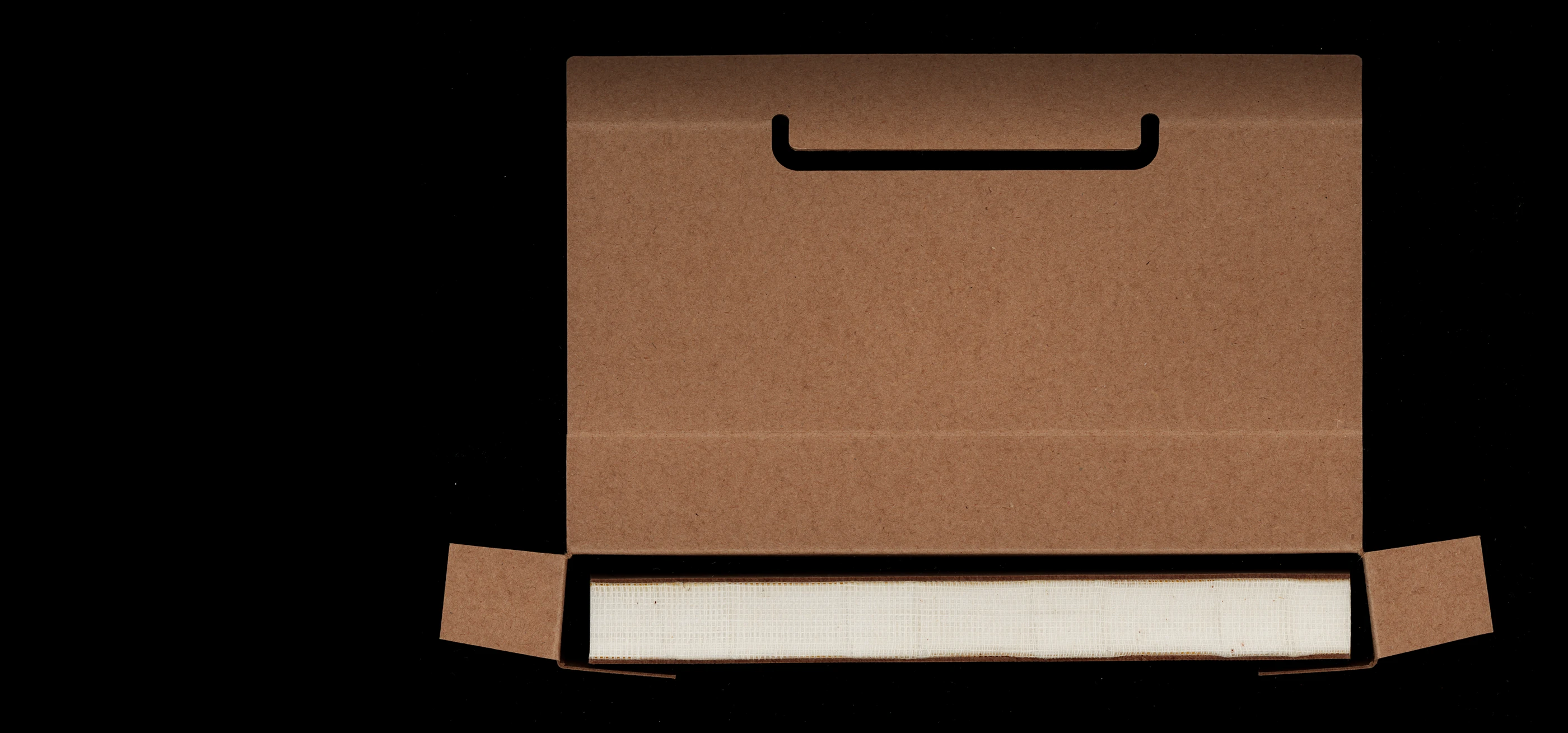
First, the doubled wall allowed for an extra interior flap that acts as a stopper—preventing pens from sliding out in transit, and keeping them from rolling off the desk and into oblivion. Second, it eliminated a common flaw with this type of closure: the flap never touches the tools inside, meaning they won’t get scratched, and the mechanism won’t warp if the case is packed full.

Finally, it solved an aesthetic challenge by completely hiding the structural geometry inside the walls. You can’t figure out how it was built just by looking at it; you have to cut it open.

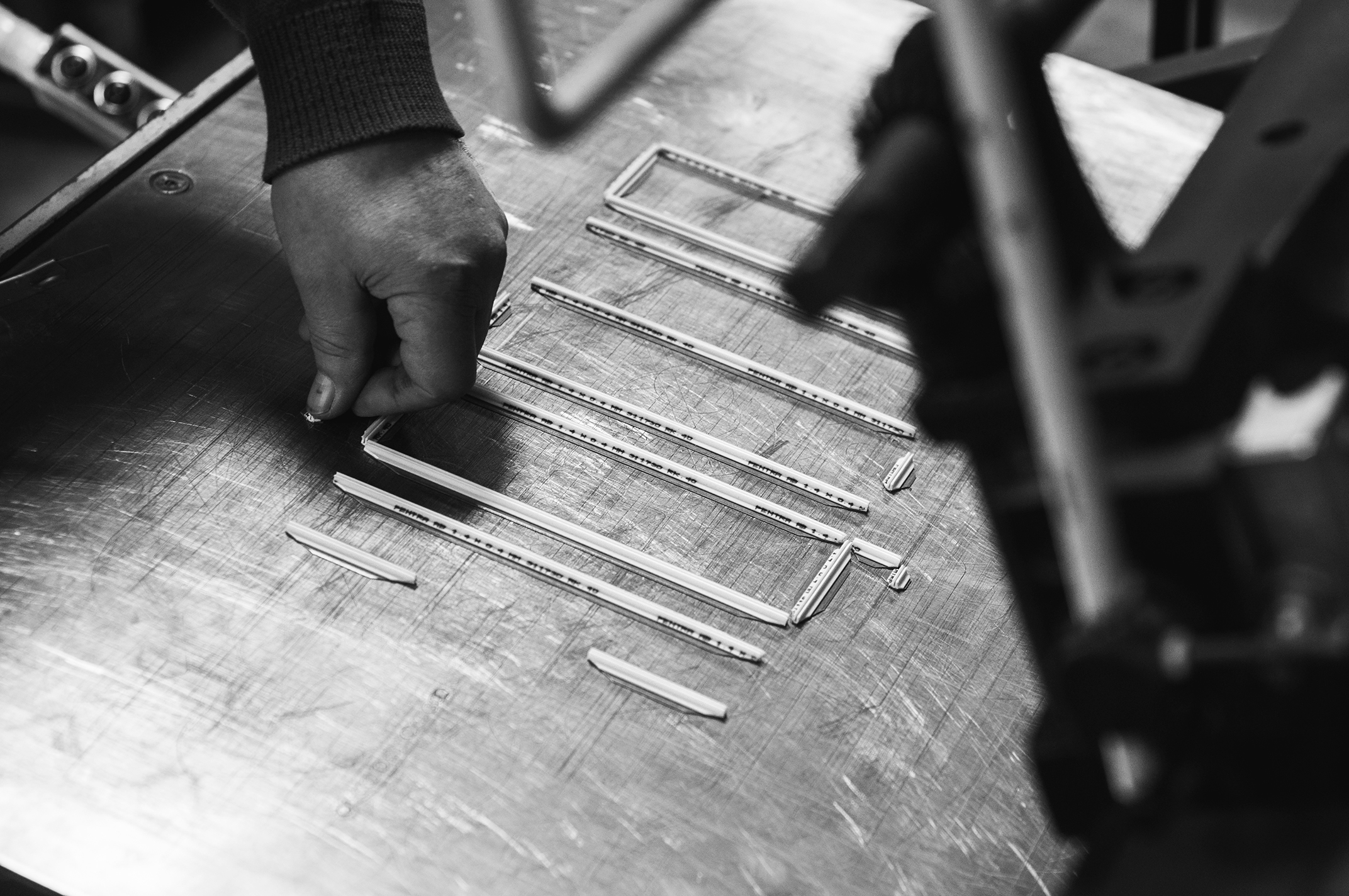
Seeing the raw process like this reinforces what I always believe: staying connected with production—regardless if it’s a printing house or a developer—is the right path to a “timeless result.”

Because the system was something completely new, it wasn’t easy to implement at the beginning. It had to survive production and shipping. Looking at these early stages, everyone in the manufacturing office lifted an eyebrow, asking: Can we actually fold and form this product efficiently? Can we ship it? Does it float?

You can judge for yourself by looking at how these objects, produced back in 2018, still hold up in my bag today in 2026 carrying most of my indispensable tools of craft: my old bone folder, favourite pens and cutting knife.

Looking ahead to the commercial side of this product, I am working on an environmentally friendly spectacle case with a protective natural felt interior. Without the physical space to prototype by hand, I turned to 3D—shifting from a physical workbench to a digital workflow. This completely replaces the traditional product photography phase of a launch, while giving me the freedom to experiment faster with fewer tools.

Special thanks to the team at Fabrik for believing in the system, taking the risk on new approaches to designing stationery, and mentoring me through every step of the production process.